2nd International Meet & Expo on
Renewable and Sustainable Energy
Thousands of international researchers, scientists and leaders will gather at the meeting.
Abstract Submission Deadline: May 2, 2026
EarlyBird Registration Deadline: April 29, 2026
Thousands of international researchers, scientists and leaders will gather at the meeting.
Abstract Submission Deadline: May 2, 2026
EarlyBird Registration Deadline: April 29, 2026

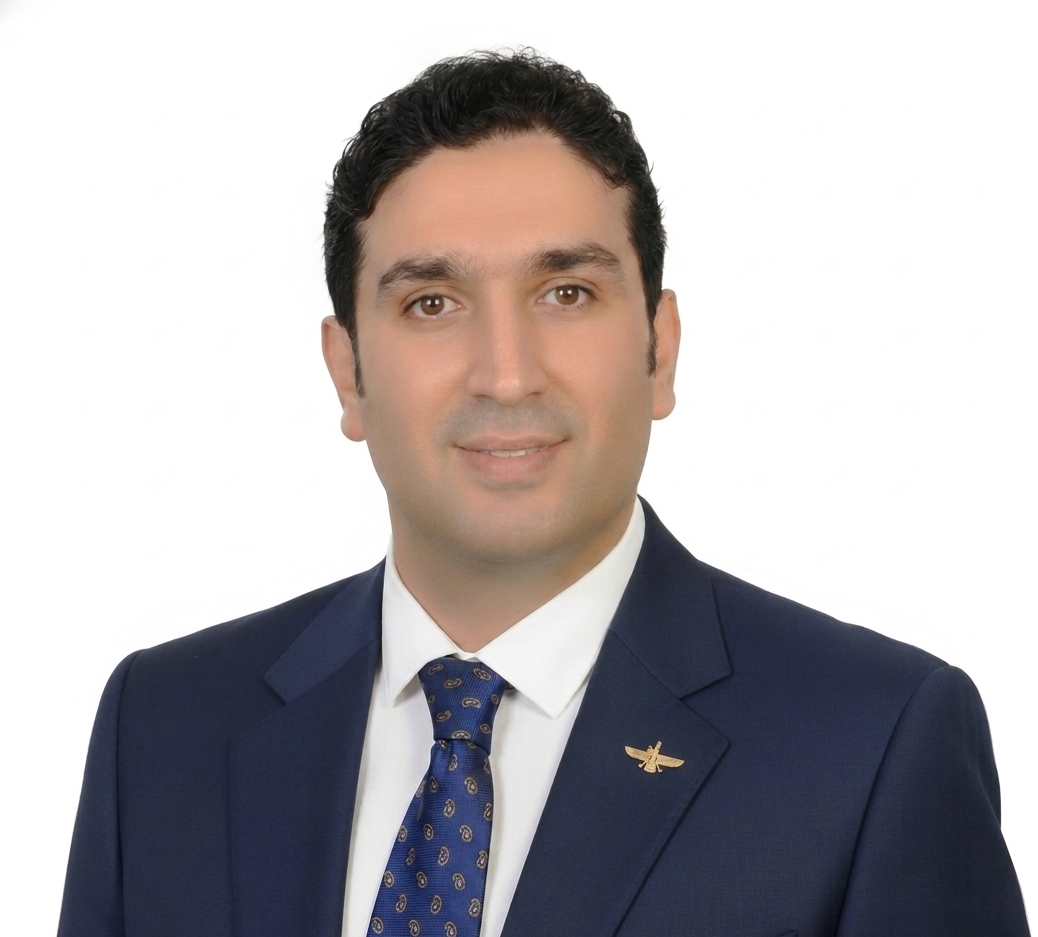
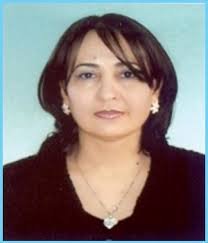
Dr. Mostafa Ghasemi Baboli is a professor and internationally recognized researcher in chemical engineering, specializing in advanced energy and environmental systems. His work focuses on membrane technologies, microbial fuel cells, and sustainable water treatment, integrating materials science with artificial intelligence for performance optimization. He has held academic and research positions across Asia and the Middle East and currently works at the University of Electronic Science and Technology of China (UESTC) and the Yangtze Delta Region Research Institute. He has published more than 100 ISI-indexed papers in reputed journals, co-authored four book chapters, and currently serves as the Editor of a book on microbial fuel cells with Elsevier. He was honoured as a China Talent in 2024 and received the Achievement Award from King Abdulaziz City for Science and Technology (KACST), Saudi Arabia. His research bridges fundamental science and industrial application, addressing challenges in energy recovery, wastewater treatment, and resource efficiency. His recent work emphasizes nanocomposite membranes and intelligent optimization techniques to enhance system performance and scalability for real-world applications.
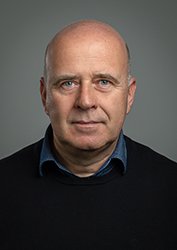
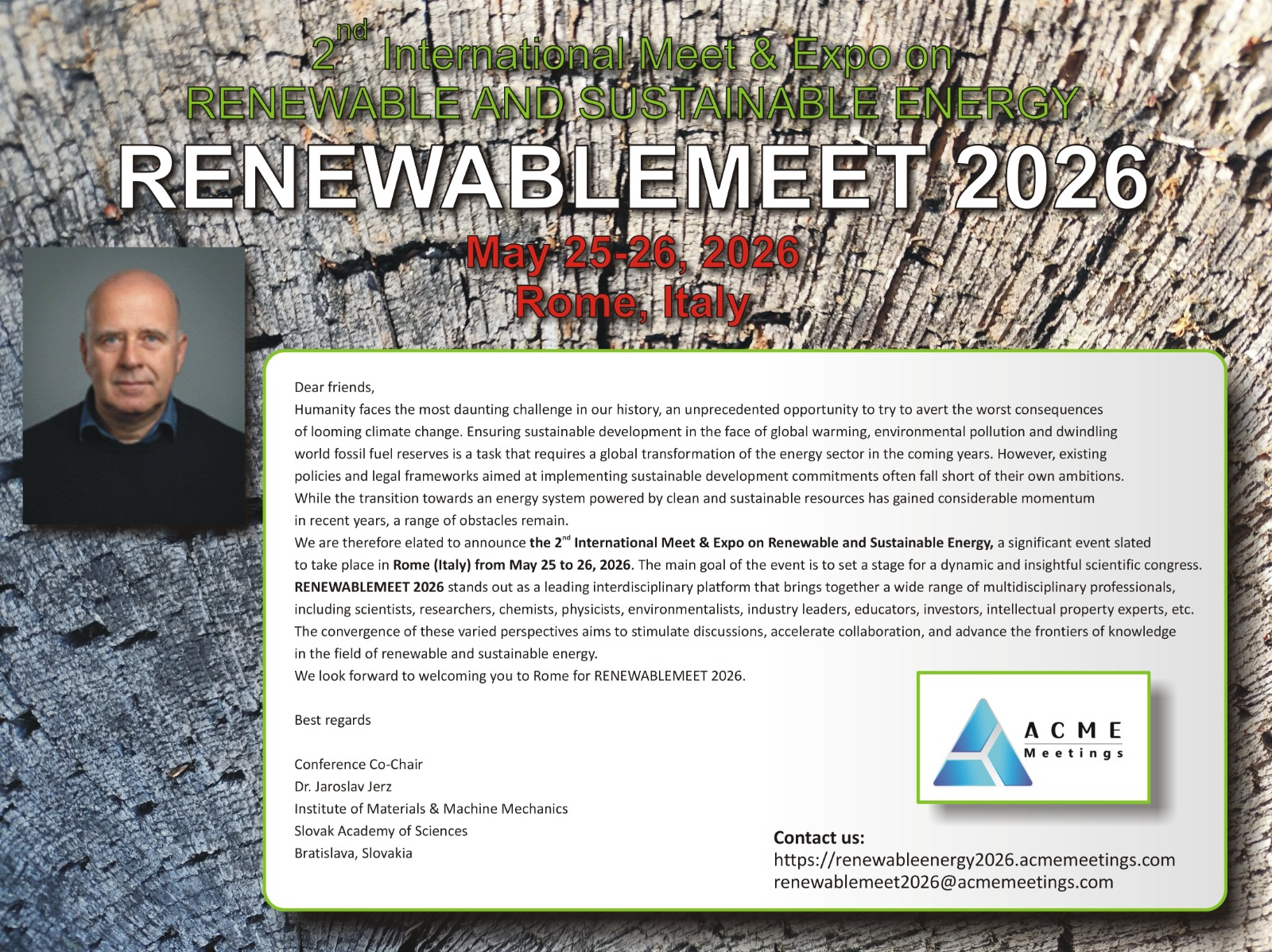
Dr. Jaroslav Jerz, materials scientist. He has completed his PhD from Vienna University of Technology (Austria) with dissertation dedicated to the development of aluminum foam by powder metallurgy. He is materials scientist at the Institute of Materials & Machine Mechanics (Slovakia). His scientific work is devoted to advanced metallic materials, development of technologies for their industrial production and transfer of knowledge gained by material research into industrial practice.
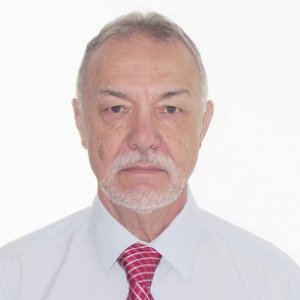
Prof. (Dr.) Sankar Kr Acharya, Dean, Post Graduate Studies and former Head, Dept. of Agril Extension and Director, Extension Education, Bidhan Chandra Krishi Viswavidyalaya, is internationally acclaimed for his unique research domain of Social Entropy and Energy Metabolism, Social Ecology and Environmental Sociology, Enterprise Ecology Framework, Farm Stewardships: The Transition from Conservation, Technology Socialization Process, and The Social Ecology of Livelihood, which have got tremendous policy as well as scholastic importance. Research Publication: 253in National and International Journals. Book Publication: 125 books authored / co-authoredVisited Italy, France, Germany, China , Sri Lanka and Bangladesh, Malyasia.. He has also been honoured to be selected as the Convener of Panel (PE-32) entitled, the hunger, poverty and silence, of IUAES, University of Manchester, UK, 2013 .Co-PI of ICAR, NAHEP and World Bank funded project on Conservation Agriculture. So, far he has successfully guided 23 Ph D scholarsHe is now acting as editor, reviewer of a good number of national and international journals.
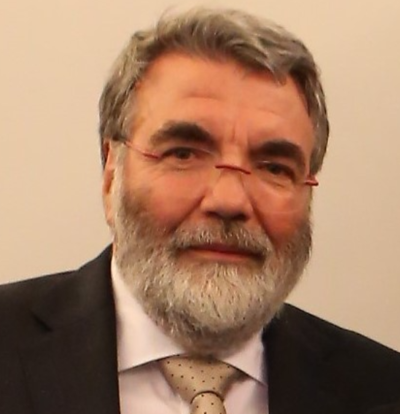
Giulio Teodoro Maellaro was born in Brindisi (Italy) in 1955. He graduated in mechanical engineering from the University of Padua (Italy). he was an officer in the technical services corps of the Italian army in the motorization sector. He taught thermotechnics and heating systems in industrial technical institutes. At the "Carnaro" Nautical Institute in Brindisi he taught marine machinery, on-board technical systems and mechanical technology. Expert in sustainable energy and energy transformations. Freelance designer engineer in the construction, plant engineering and energy saving fields. Convinced advocate of the need to immediately implement the energy transition. He created the SEWAT (Sustainable Energy by Waves Trap) device to obtain sustainable energy from sea waves.
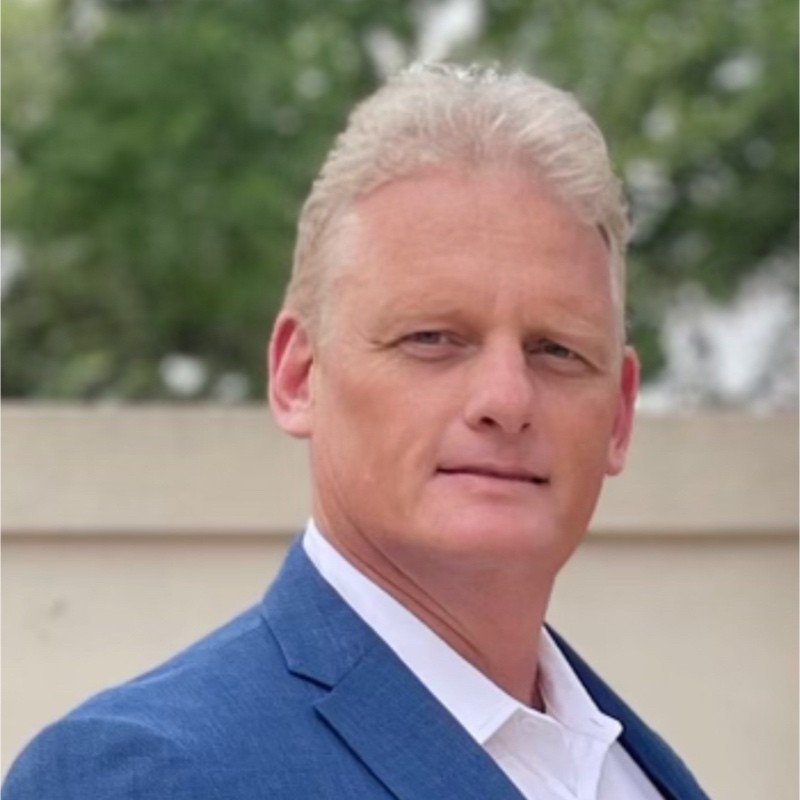
Mr. Edward Eastlack is a seasoned engineer, innovator, and business leader with nearly three decades of experience in maritime and energy engineering. He holds Bachelor and Master of Science degrees in Marine Engineering from the United States Merchant Marine Academy at Kings Point, New York, where he developed a strong foundation in marine systems design and performance. He is the Co-Founder, Chief Executive Officer, and Chief Engineer of Intermodal Renewables LLC, where he leads the company’s mission to transform the intermodal transportation ecosystem through renewable energy integration and advanced energy management services. Leveraging his maritime engineering expertise, he drives innovation in hybrid propulsion systems, solar power generation solutions, and resilient energy platforms to enhance efficiency and environmental performance across ports, marine vessels, freight logistics, and critical infrastructure. Prior to founding Intermodal Renewables, Edward built a distinguished maritime career managing complex vessel repair, overhaul, major modification, and new construction projects throughout the Gulf South, including projects featuring advanced hybrid propulsion and renewable integration that delivered reliable, efficient, and environmentally beneficial results. Edward is deeply committed to cross-industry collaboration, working with stakeholders across transport, energy, and infrastructure sectors to accelerate scalable clean energy adoption, and his work continues to shape resilient, low-carbon solutions for the global transportation landscape.
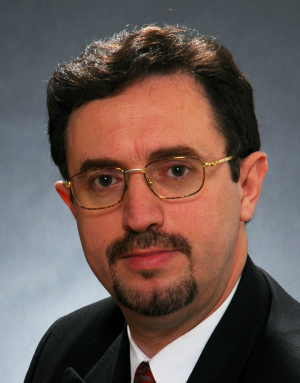
Dr. Florian Kongoli is a renowned scientist and entrepreneur recognized for his contributions to sustainable industrial technologies. He holds a B.Sc. and M.Sc. from the University of Montreal, Canada, and a Doctor of Science from Tohoku University, Japan. Since 1996, he has served as CEO of FLOGEN Technologies Inc., a research institute focused on developing innovative and sustainable technologies. He is also Chairman of FLOGEN Stars Outreach, a non-profit promoting science and engineering for sustainable development, and President of the Sustainable Industrial Processing Summits (SIPS), which convenes global leaders to advance sustainable industrial practices. Dr. Kongoli’s work has earned him prestigious awards, including the Nancy Gold Medal from the City of Nancy, France, and recognition as an Honorary Citizen of Rio de Janeiro, Brazil. His leadership continues to inspire global advancements in sustainable science and technology.
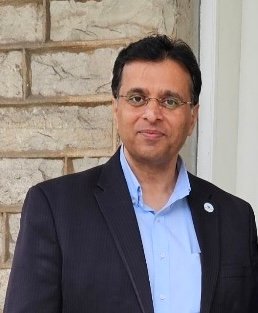
Dr. Faisal Manzoor Arian is an experienced academic leader and construction project management professional with an MS and PhD in Construction Project Management. He has extensive experience working in management and leadership positions in industry and academia in Pakistan, Saudi Arabia, Singapore, and Canada. Dr. Arain completed a Leadership Development Program from Harvard University, Boston. He successfully led the development of numerous baccalaureate and diploma programs, including Canada’s first Bachelor of Science in Construction Project Management degree at SAIT in Calgary, Alberta. He was appointed by the Saskatchewan Higher Education Quality Assurance Board (SHEQAB), Government of Saskatchewan, as the chair of the quality review panel for new baccalaureate degree program evaluation and participated in institutional review.
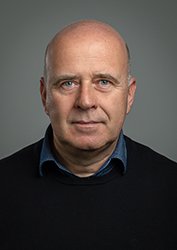
Dr. Jaroslav Jerz, materials scientist. He has completed his PhD from Vienna University of Technology (Austria) with dissertation dedicated to the development of aluminum foam by powder metallurgy. He is materials scientist at the Institute of Materials & Machine Mechanics (Slovakia). His scientific work is devoted to advanced metallic materials, development of technologies for their industrial production and transfer of knowledge gained by material research into industrial practice.
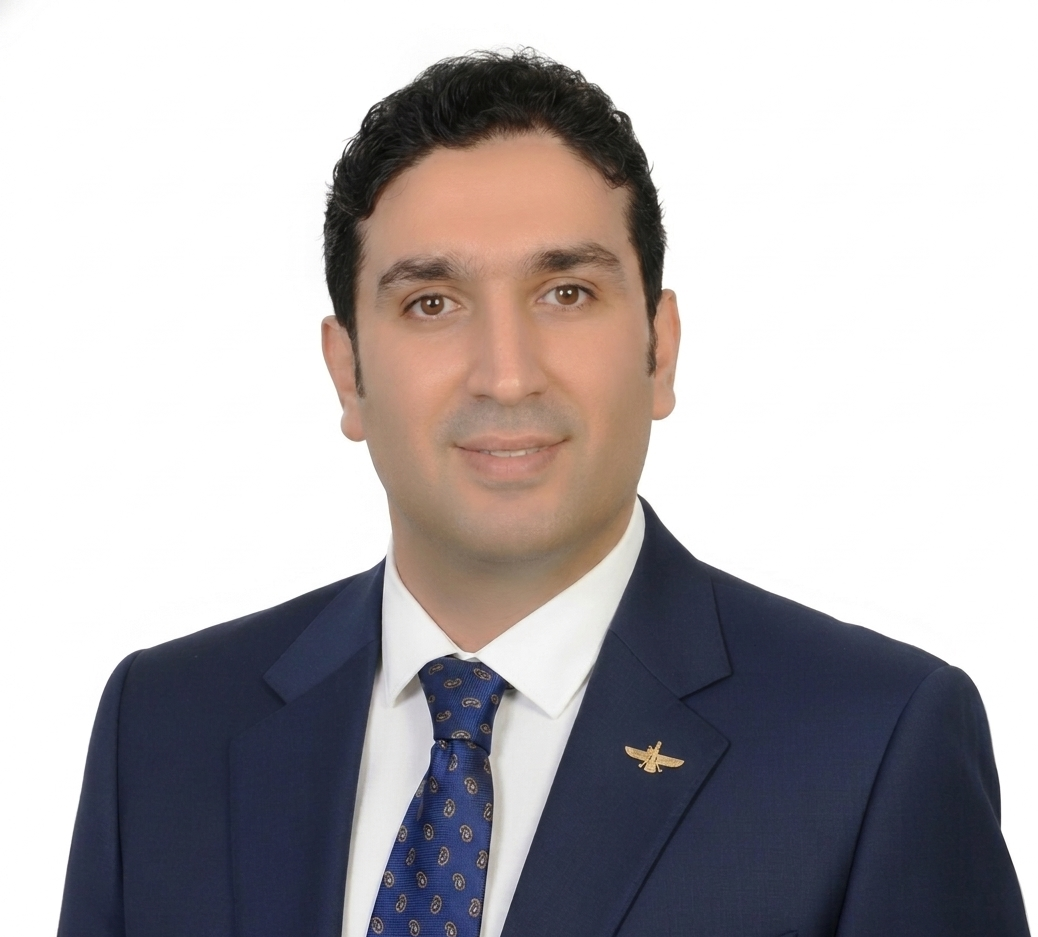
Dr. Mostafa Ghasemi Baboli is a professor and internationally recognized researcher in chemical engineering, specializing in advanced energy and environmental systems. His work focuses on membrane technologies, microbial fuel cells, and sustainable water treatment, integrating materials science with artificial intelligence for performance optimization. He has held academic and research positions across Asia and the Middle East and currently works at the University of Electronic Science and Technology of China (UESTC) and the Yangtze Delta Region Research Institute. He has published more than 100 ISI-indexed papers in reputed journals, co-authored four book chapters, and currently serves as the Editor of a book on microbial fuel cells with Elsevier. He was honoured as a China Talent in 2024 and received the Achievement Award from King Abdulaziz City for Science and Technology (KACST), Saudi Arabia. His research bridges fundamental science and industrial application, addressing challenges in energy recovery, wastewater treatment, and resource efficiency. His recent work emphasizes nanocomposite membranes and intelligent optimization techniques to enhance system performance and scalability for real-world applications.
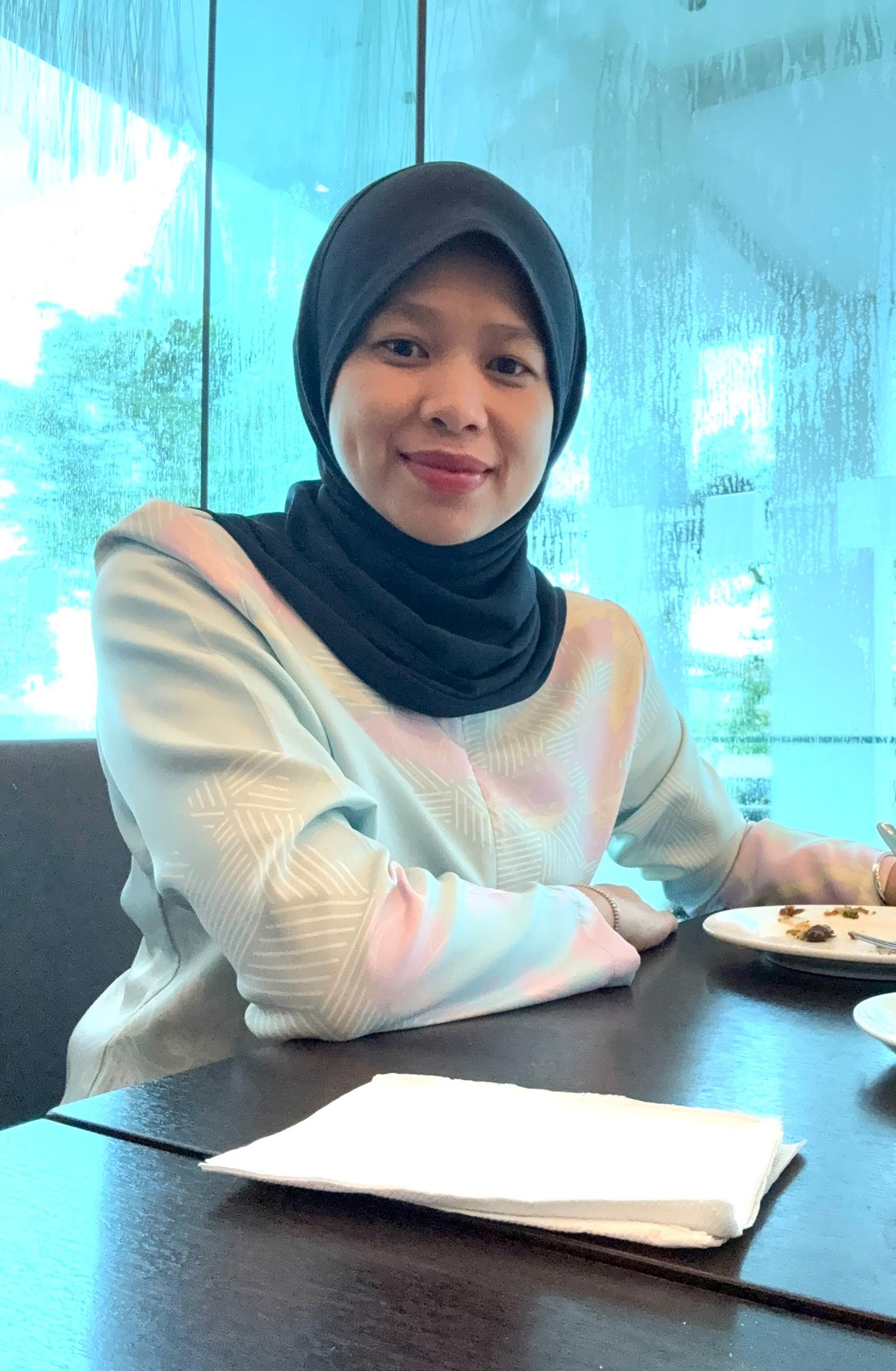
Dr. Fauziah Abu Bakar is a Senior Lecturer at the Faculty of Agricultural and Forestry Sciences, University Putra Malaysia Sarawak, Malaysia. Trained in plant biotechnology, she integrates biotechnology, sustainability science, and traditional ecological knowledge to explore how tropical biodiversity can drive renewable and nature-positive innovation. Her current research focuses on microbial carbonic anhydrase (CA) as a bio-catalyst for low-energy carbon capture and its potential role in circular bioeconomy systems. She has led multidisciplinary projects on medicinal plants, microbial biotechnology, and biodiversity-based carbon solutions, linking laboratory science with community engagement. Recognized as a Global Ambassador of Sustainability, Dr. Fauziah actively promotes the integration of scientific innovation and local wisdom for climate resilience. Her work exemplifies a holistic approach to bridging biodiversity, biotechnology, and sustainability for the renewable energy future.
Prof. (Dr.) Sankar Kr Acharya, Dean, Post Graduate Studies and former Head, Dept. of Agril Extension and Director, Extension Education, Bidhan Chandra Krishi Viswavidyalaya, is internationally acclaimed for his unique research domain of Social Entropy and Energy Metabolism, Social Ecology and Environmental Sociology, Enterprise Ecology Framework, Farm Stewardships: The Transition from Conservation, Technology Socialization Process, and The Social Ecology of Livelihood, which have got tremendous policy as well as scholastic importance. Research Publication: 253in National and International Journals. Book Publication: 125 books authored / co-authoredVisited Italy, France, Germany, China , Sri Lanka and Bangladesh, Malyasia.. He has also been honoured to be selected as the Convener of Panel (PE-32) entitled, the hunger, poverty and silence, of IUAES, University of Manchester, UK, 2013 .Co-PI of ICAR, NAHEP and World Bank funded project on Conservation Agriculture. So, far he has successfully guided 23 Ph D scholarsHe is now acting as editor, reviewer of a good number of national and international journals.
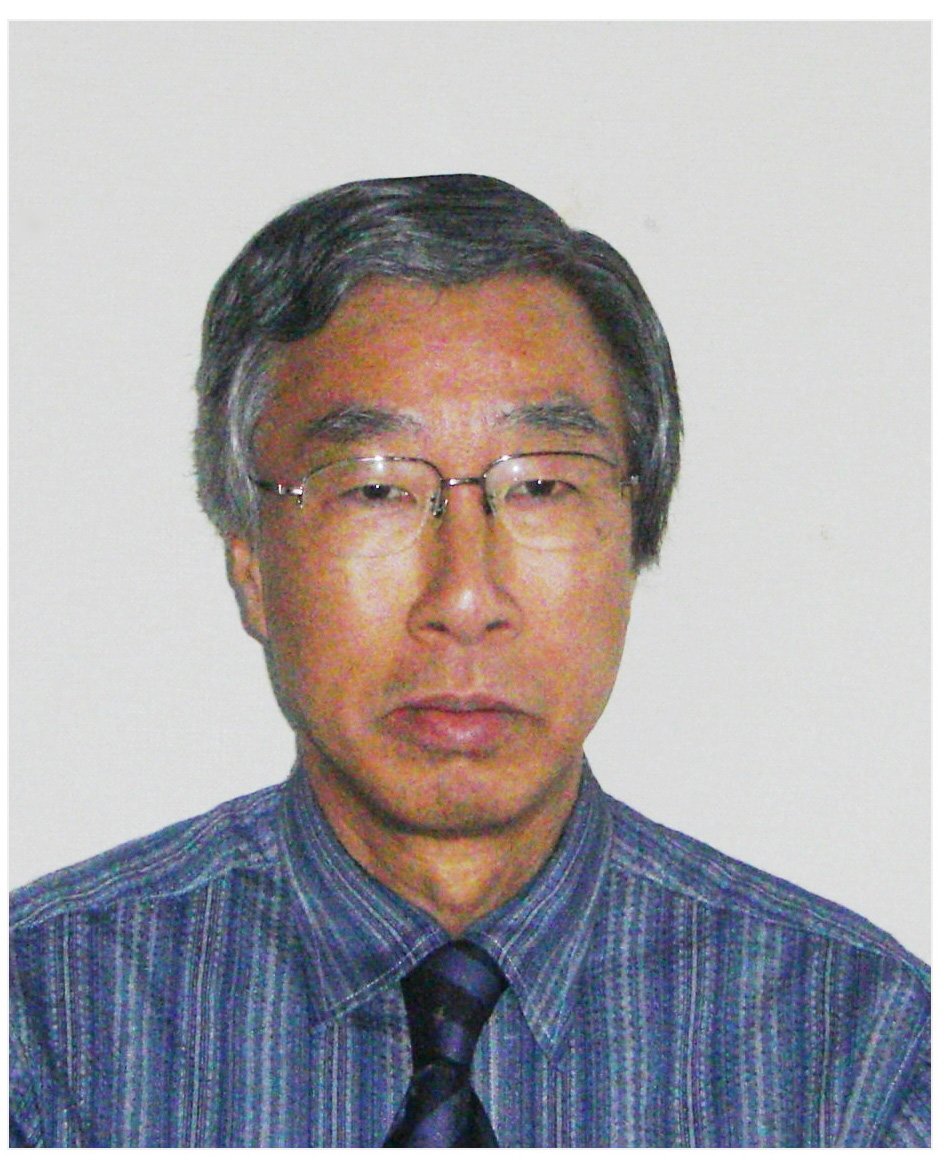
Prof. Kenji Murakami obtained his Ph.D. from Osaka University, Japan in 1983. He was Research Associate at the Pennsylvania State University, USA from 1983 to1985. Finally, he was Professor of the Graduate School of Integrated Science and Technologies, retired in 2019 and became Specially Appointed Professor, Shizuoka
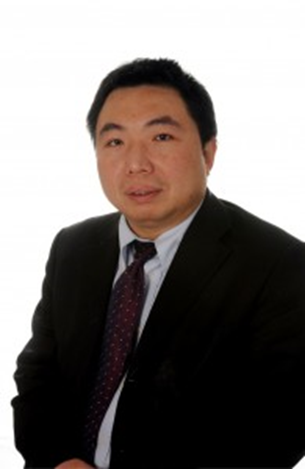
Dr. Xi Jiang is a professor of Mechanical Engineering in the UK, who re-joined the School of Engineering and Materials Science at Queen Mary University of London (QMUL) in 2017. He previously was the Chair in Energy Use and Transport at Lancaster University, following earlier research experience developed at Brunel University, QMUL, Seoul National University and University of Science & Technology of China. He has over 30 years’ experience in energy and fuels research with substantial expertise in modelling/simulation for energy utilization. He has published around 200 peer-reviewed journal papers. In recent years, his research is increasingly focused more on molecular level modelling/simulation. His recent research includes big data analytics and machine learning for energy utilization applications.
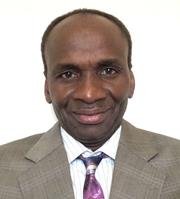
Dr. Yousif Abdelrahim is an Assistant Professor of Business Administration specializing in management and organizational behavior. He provides teaching, research, and academic leadership services at Prince Mohammad Bin Fahd University (PMU), Dhahran, Saudi Arabia, where he serves as Chair of Social Responsibility and Community Service and as a member of the Faculty Interviewing Committee. Dr. Abdelrahim is a member of the American Educational Research Association and the American Honor Society, reflecting his commitment to educational and professional excellence. His research focuses on cultural values, tribalism, student well-being, education leadership, sustainability, and management—exploring how social and cultural dynamics such as fairness, inequality, and social cohesion influence organizational behavior and sustainable educational development. His pioneering work developed the first validated individual-level tribalism measure (scale), establishing tribalism as a distinct cultural dimension beyond Hofstede’s cultural dimensions theory and framework in cross-cultural communications.
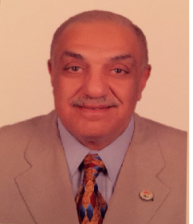
Dr Tarek Mohamed Kamal Mohamed Metawie, Professor of Biochemistry, Faculty of Pharmacy, Cairo University. Egyptian, date of birth 6/3/1955. Ph.D. in Pharmaceutical Sciences, 1984; M.Sc. in Pharmaceutical Sciences, 1979; B.Sc. in Pharmaceutical Sciences, Faculty of Pharmacy, Cairo University, 1976. Professional experience: Instructor; 1976, Lecturer Assistant; 1980, Lecturer, 1984; Assistant Professor, 1989; Professor,1994; Head of the Department of Biochemistry, Faculty of Pharmacy, Cairo:- 2008-2014.

Allconference alert

International Conference Alerts

Institute of Materials & Machine Mechanics, Slovakia, Academy of Sciences, Slovakia
Conference Acme Meetings is really great!!!
Many thanks!!!
I am looking forward to our further cooperation.

GERS Executive Park, USA
The presentation went very well.
Thanks Shashika. I heard several of the virtual presentations which were good.
Shanghai Jiao Tong University, China
Thanks for your email! I glad to give a keynote talk in Acme Meetings
Laboratorie LCPMM, Faculty of Sciences, University Blida, Algeria
I would like to thank you for organizing the conference, which went well overall, despite the absence of some participants.
Nevertheless, I would like to reiterate my congratulations for the successful organization of such an event, which is undoubtedly a challenging task from a logistical standpoint.
Bidhan Chandra Krishi, India
Greetings!
It has been an excellent programme. Felt honoured to deliver the Keynote address covering the disruption in resource and energy resilience inflicting into the ageo-ecological resilience in South-East Asia with a focus on India.Nevertheless, such a global issue being deliberated over needs bigger participation. I hope, will crop up in the upcoming conference.
You all really are doing great to save the good earth and kudos!
GD Goenka University, India
Hello!
It was a very enriching experience to hear and learn from so many learned professors around the globe... I am thankful for getting this opportunity through this platform and hopeful about future programmes organized by the team. Wish you all the best.
S.C.I. Energy (Swiss), from Zurich, Switzerland
The Acme Meetings concluded successfully in Zurich of Switzerland, bringing together global experts, researchers, and industry leaders to explore the latest advancements and future directions in renewable energy. Covering a wide range of topics—from solar, wind, water and hydrogen energy to storage systems and international energy policies—the conference fostered meaningful cross-disciplinary and cross-sector collaboration. Acme Meetings not only strengthened the global consensus on energy transition but also offered renewed momentum toward achieving carbon neutrality.
Head of HolisticCenter, Switzerland
Greetings!
...it was well done...
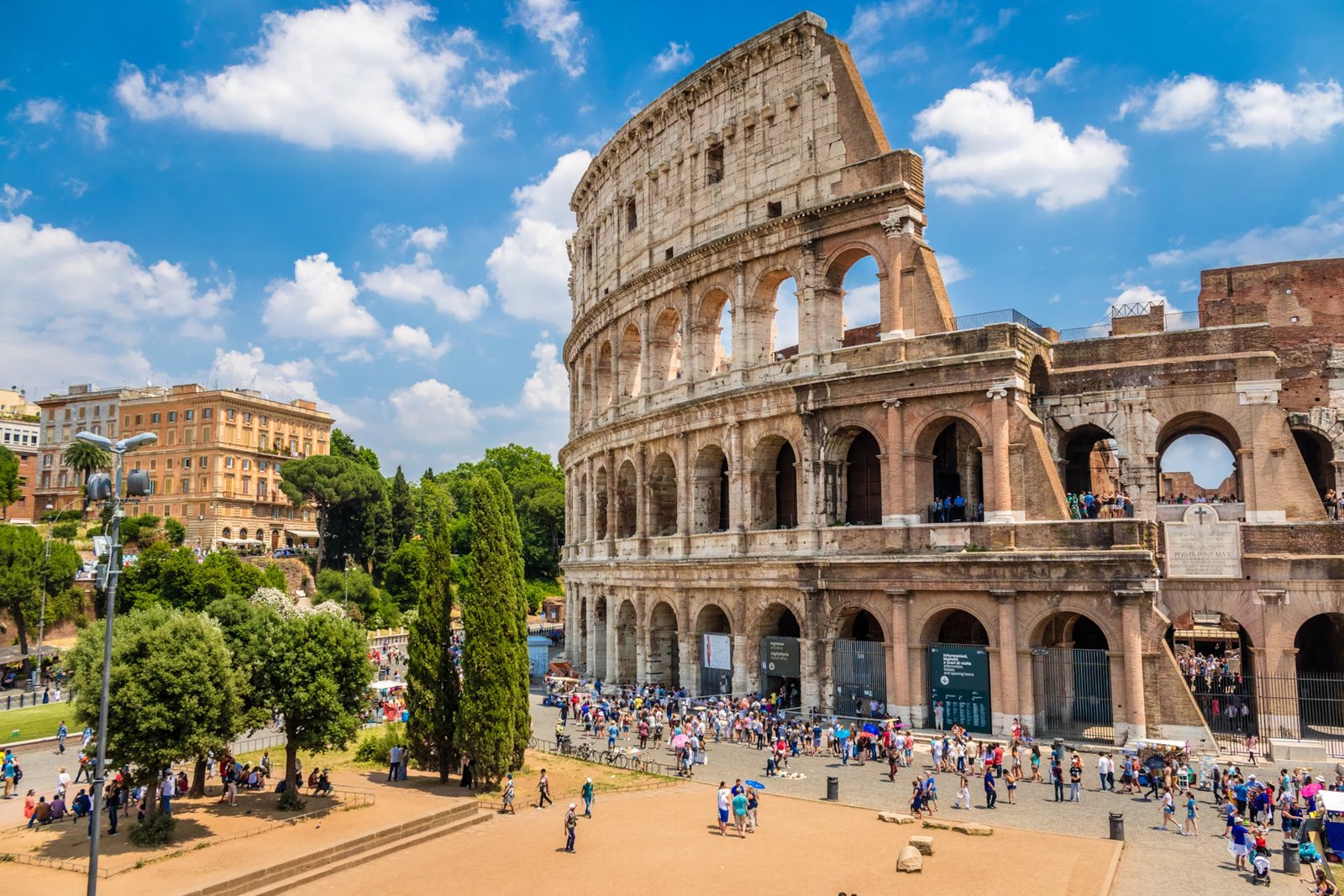
Rome, the “Eternal City,” brims with ancient history, from the Colosseum to the port of Ostia Antica to majestic Vatican City and the Sistine Chapel. Because of its history, art, architecture, and beauty – and perhaps its gelato and pasta! – Rome is one of our most popular cities.
Rome is the capital city and most populated commune of Italy. It is also the administrative center of the Lazio region and of the Metropolitan City of Rome
Metropolitan city: Rome Capital
Region: Lazio